
Discover how Singapore has become a global leader in security with its robust regulatory frameworks, cutting-edge surveillance technologies, and integrated access control systems.
This article explores how the city-state’s exceptional emergency response preparedness and successful public-private partnerships have set new standards for residential and corporate safety singapore cctv.
Explore the innovative strategies and practices that have made Singapore a beacon of security excellence in an ever-evolving landscape of threats and challenges.
Regulatory Frameworks
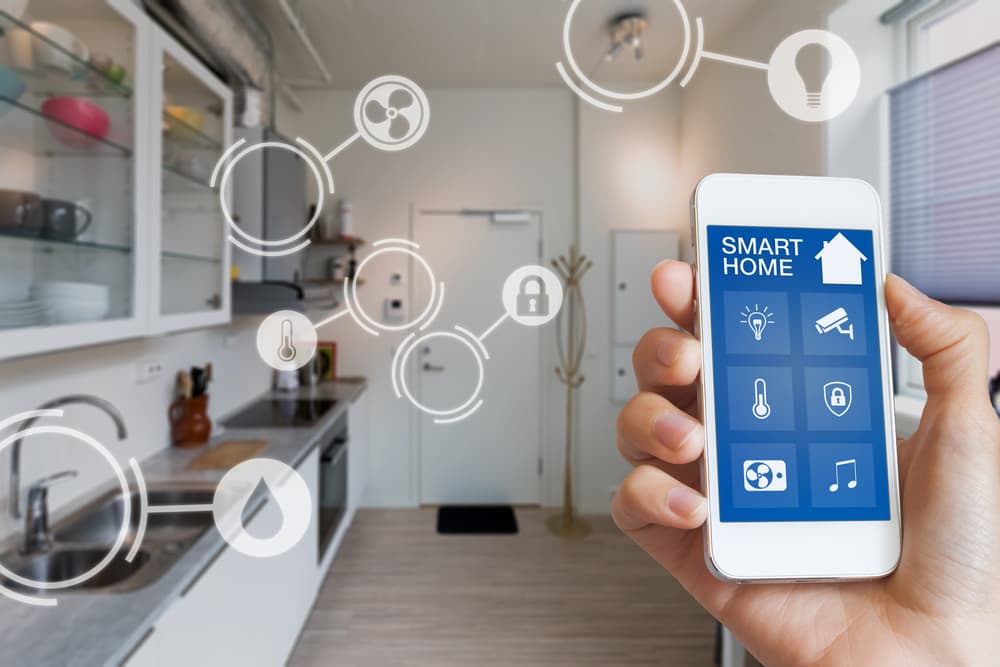
Singapore’s regulatory frameworks for security systems establish stringent guidelines and protocols for ensuring residential and corporate safety. These frameworks are designed to uphold the highest standards of security while also respecting individual freedoms.
By implementing comprehensive regulations sg CCTV, Singapore ensures that surveillance and security measures are balanced with privacy rights. The regulatory bodies work closely with industry experts to stay abreast of technological advancements and potential threats, guaranteeing that security systems remain effective and up to date.
Through regular audits and assessments, compliance with these regulations is closely monitored, ensuring that all security systems in Singapore meet the necessary criteria for safeguarding both personal and corporate assets. This commitment to regulatory excellence sets Singapore apart as a leader in ensuring safety and security for its residents and businesses.
Advanced Surveillance Technologies
The implementation of advanced surveillance technologies further enhances the regulatory frameworks’ efficacy in ensuring residential and corporate safety in Singapore. Cutting-edge solutions such as AI-powered facial recognition, drones for aerial monitoring, and smart sensors play a pivotal role in bolstering security measures. These technologies offer real-time monitoring, swift response to potential threats, and enhanced situational awareness for authorities.
Despite concerns regarding privacy, Singapore maintains a balance between security and individual liberties through strict regulations on data usage and transparency in surveillance operations. The integration of these advanced surveillance technologies not only deters criminal activities but also provides a sense of safety and peace of mind for residents and businesses in the city-state.
Integrated Access Control Systems
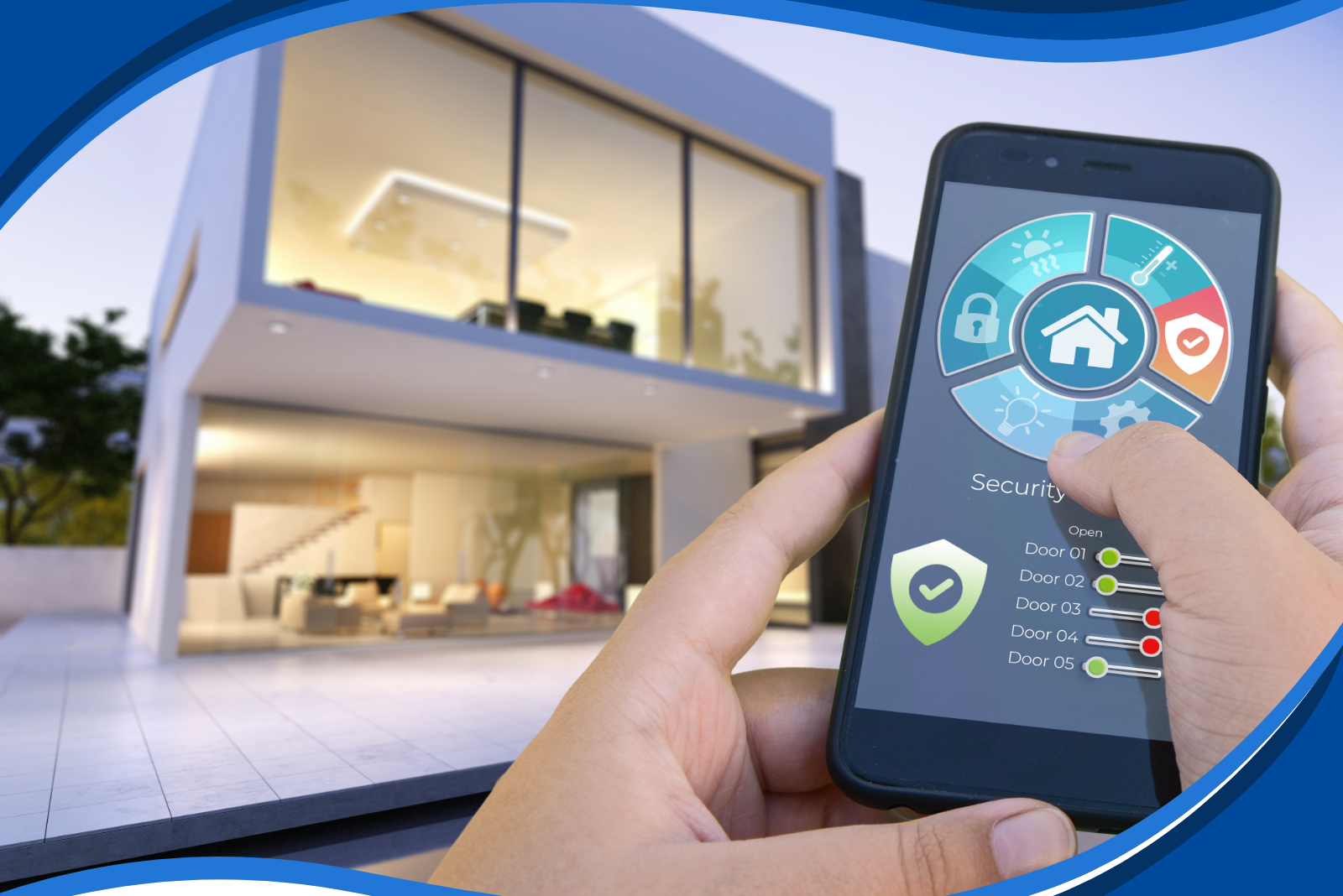
Implementing integrated access control systems enhances security measures by regulating entry and exit points in residential and corporate environments. These systems offer a seamless way to manage who can enter specific areas, ensuring that only authorized personnel have access to sensitive locations.
By integrating various technologies such as keycard systems, biometric scanners, and security cameras, organizations can create a comprehensive security protocol that restricts unauthorized entry effectively. Moreover, these systems provide real-time monitoring capabilities, allowing security personnel to respond promptly to any security breaches.
This level of control not only safeguards individuals and assets but also promotes a sense of freedom within these spaces, as occupants can trust that their safety and privacy are being prioritized.
Emergency Response Preparedness
Enhancing security protocols with integrated access control systems necessitates prioritizing emergency response preparedness in both residential and corporate settings. Quick and efficient emergency responses are crucial for ensuring the safety and well-being of occupants in the face of potential threats.
By implementing robust emergency preparedness measures, such as regular drills, clear communication channels, and designated emergency response teams, individuals can feel empowered and secure in their environments. Additionally, leveraging technology, such as emergency alarms and monitoring systems, can further enhance response times and coordination during critical situations.
Ultimately, a proactive approach to emergency preparedness not only safeguards lives and property but also promotes a sense of freedom and peace of mind within residential and corporate spaces.
Public-Private Partnerships
With a focus on collaboration, public-private partnerships play a pivotal role in enhancing security measures within Singapore’s residential and corporate sectors. By combining the resources and expertise of both government entities and private organizations, Singapore has been able to establish robust security systems that set the standard for safety worldwide.
These partnerships foster innovation, efficiency, and a shared responsibility for safeguarding the community. Through initiatives such as information sharing, joint training exercises, and coordinated response strategies, public-private partnerships ensure a comprehensive approach to security that addresses emerging threats effectively.
The success of these collaborations is evident in Singapore’s ability to adapt swiftly to evolving security challenges, creating a safe and secure environment for residents, businesses, and visitors alike.
Conclusion
In conclusion, Singapore’s security systems have established a high standard for ensuring safety in residential and corporate settings. Through strict regulatory frameworks, advanced surveillance technologies, integrated access control systems, emergency response preparedness, and public-private partnerships, Singapore has created a comprehensive and efficient security infrastructure.
This holistic approach to security management has not only deterred threats but also ensured a safe and secure environment for its residents and businesses.