
In the realm of secondary education, personalized feedback within Chinese tuition centres has emerged as a pivotal tool in nurturing language proficiency and academic growth. By tailoring guidance to individual student needs, this practice not only bolsters linguistic comprehension and fluency but also cultivates self-assurance in language application secondary school chinese tuition.
Through targeted skill development and a supportive learning atmosphere, personalized feedback fosters active student engagement, promoting a holistic approach to language acquisition and empowering students to excel in their academic pursuits.
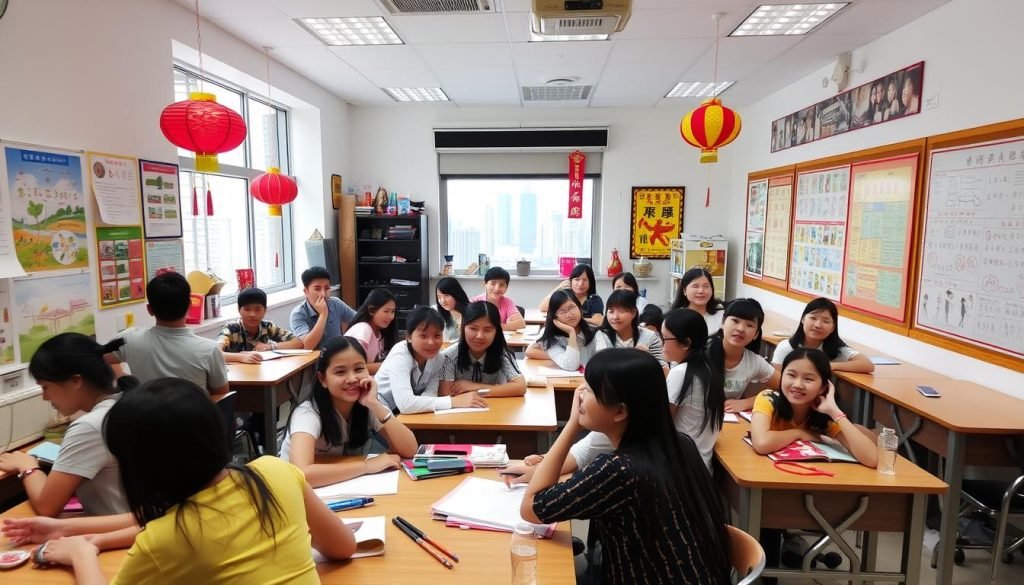
Enhances Language Comprehension and Fluency
Through personalized feedback, secondary students in Chinese tuition centres can significantly improve their language comprehension and fluency. By receiving individualized comments on their writing, speaking, and listening skills, students can pinpoint their strengths and areas needing improvement yanzi mandarin.
This tailored approach allows students the freedom to focus on specific language aspects that challenge them the most, leading to a more efficient learning process. Furthermore, personalized feedback fosters a sense of autonomy and self-directed learning, empowering students to take control of their language development.
As a result, students are more likely to engage actively in their studies, leading to enhanced language proficiency and confidence. This personalized feedback loop creates a supportive environment where students can thrive and excel in their Chinese language skills.
Boosts Confidence in Language Usage
By fostering a culture of consistent feedback and reflection, personalized feedback in Chinese tuition centres boosts students’ confidence in their language usage. When students receive personalized feedback tailored to their specific strengths and weaknesses, they gain a deeper understanding of their language abilities. This targeted feedback allows students to see their progress more clearly and understand where they need to improve, leading to increased confidence in their language skills.
As students become more confident in their ability to use Chinese effectively, they are more willing to engage in conversations, participate in class activities, and take risks with their language use. Ultimately, this boost in confidence not only enhances their language proficiency but also empowers them to communicate more effectively in various contexts.
Facilitates Targeted Skill Improvement
How does personalized feedback in Chinese tuition centres facilitate targeted skill improvement for secondary students?
Personalized feedback plays a crucial role in honing specific language skills tailored to individual student needs. By providing detailed insights into a student’s performance, educators can identify areas requiring improvement and develop targeted strategies for enhancement.
Through personalized feedback, students receive guidance on areas such as vocabulary usage, grammar accuracy, and sentence structure, enabling them to focus on honing these specific skills. This targeted approach fosters a more efficient learning process, allowing students to address weaknesses effectively and make tangible progress in their Chinese language proficiency.
Ultimately, personalized feedback empowers students to work on their specific skill gaps, leading to significant improvements in their overall language abilities.

Encourages Active Engagement and Participation
Personalized feedback in Chinese tuition centres fosters active engagement and participation among secondary students. This approach emphasizes the importance of continuous interaction and involvement in the learning process. By receiving feedback tailored to their individual progress and needs, students are encouraged to take an active role in their education.
This personalized approach motivates students to participate more actively in class discussions, ask questions, and seek clarification on challenging concepts. As a result, students feel more invested in their learning journey and are more likely to engage in meaningful dialogue with their teachers and peers.
This increased participation not only enhances their understanding of the Chinese language but also cultivates a sense of ownership over their academic growth.
Fosters a Supportive Learning Environment
To foster a supportive learning environment in Chinese tuition centres, students are encouraged to collaborate, provide assistance, and engage in constructive peer interactions. By promoting teamwork and mutual aid, students develop a sense of camaraderie that enhances their learning experience.
This supportive atmosphere cultivates a community where students feel comfortable seeking help from their peers, fostering a culture of shared knowledge and growth. Additionally, engaging in constructive peer interactions allows students to receive diverse perspectives, leading to a deeper understanding of the subject matter.
Through collaboration and assistance, students not only strengthen their Chinese language skills but also build essential communication and teamwork abilities that are valuable beyond the classroom. In this environment, students thrive academically and personally, creating a positive and empowering learning space.
Conclusion
In conclusion, personalized feedback in Chinese tuition centres plays a crucial role in enhancing secondary students’ language comprehension, fluency, and confidence. By providing targeted skill improvement and encouraging active engagement, students are able to excel in their language learning.
Additionally, the supportive learning environment created through personalized feedback fosters a positive and encouraging atmosphere for students to thrive in their language studies.